

Why Rural Health is Central to Indiana's Future
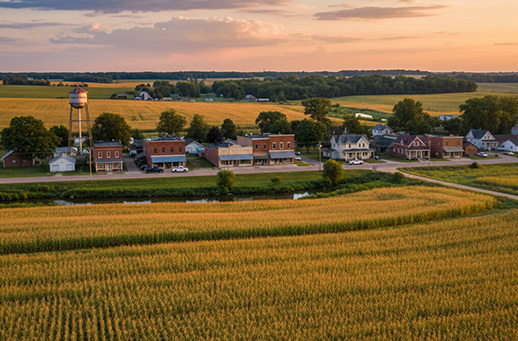
The image many people have of Indiana — of rolling farmlands and close-knit, quiet communities — often misses an essential, ongoing challenge: a crisis of healthcare access in our rural areas.
As a nonprofit dedicated to integrated, comprehensive care, Aspire Indiana Health understands the vitality of our state is inextricably linked to the wellbeing of every Hoosier, regardless of their zip code. Improving rural health is not just a matter of compassion; it is a critical investment in Indiana's future workforce and economy.
The disparities between urban and rural health outcomes in Indiana are stark. Rural residents often experience higher mortality rates from the leading causes of death, including heart disease and cancer, compared to their counterparts in large cities or prosperous suburbs. They also face significantly higher rates of chronic conditions and health risk behaviors, such as obesity and smoking. These challenges are compounded by systemic barriers that make adequate care elusive.
The core problem in rural Indiana is a lack of infrastructure and personnel to meet that need:
- Provider Shortages and Isolation: Rural areas suffer from a severe scarcity of practitioners, often having fewer than half the doctors per capita compared to urban areas. The shortage of behavioral health professionals is even more acute; some rural areas have two-thirds fewer behavioral health professionals than urban areas, creating major gaps in mental health and addiction treatment. Provider scarcity means longer wait times and less access to specialists.
- Geographic and Financial Hurdles: Many rural residents live in areas designated as healthcare deserts. Long travel distances, poor road conditions and limited availability of public transportation make keeping appointments a major challenge. Furthermore, rural residents often have lower incomes, higher poverty rates and are more likely to be uninsured or reliant on public coverage, creating financial barriers to seeking care.
- Hospital Instability: Indiana's rural health system has faced instability, with hospital closures and service reductions in many of the remaining rural facilities, further eroding access to emergency and maternal care, as 35 Indiana counties lack a birthing hospital.
At Aspire Indiana Health, our mission of providing integrated medical, behavioral, recovery and community support care is designed to counteract these rural barriers. Our model, which combines primary care with services like substance use treatment and housing/employment assistance, creates a centralized, holistic resource.
Ultimately, addressing Indiana's rural health challenges requires collective action — from increasing incentives for rural medical training to expanding reliable broadband access for telehealth. But the true pathway forward is sustaining and supporting models that are rooted in equity and committed to delivering high-quality, continuous, integrated care directly within these underserved communities.
Aspire is constantly striving for partnerships to come up with innovative solutions to these models. We’re committed to working with our local partners in rural areas to be proactive rather than reactive to these challenges.
By supporting comprehensive local solutions, we can help ensure every Hoosier, no matter how remote their location, has the opportunity to achieve a healthier and happier life.


