Wellbeing in the Workplace
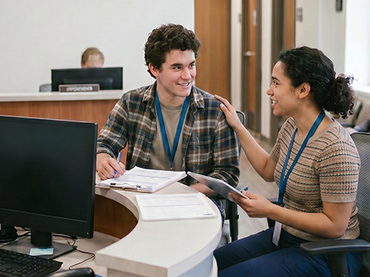
Happier, healthier and more productive employees — that’s the goal of Aspire’s Workplace Wellbeing Department. Led by Manager of Wellbeing and Benefits Kristin Lamb, the Workplace Wellbeing Department strives to create a healthy and supportive work environment for all Aspire employees through comprehensive wellness programs, resources and initiatives.
“We’ve tailored our programs to the Aspire culture,” Lamb says. “So whether someone is based in one of our health clinics, is working remotely, or needs any type of accommodation, we ensure everyone can participate and benefit from Aspire’s wellness programs.”
Being Your Best Self
Through the Best Self Challenge, Aspire provides initiatives and incentives that support each of Aspire’s more than 800 employees and their unique wellbeing efforts.
“We outlined and defined our core elements of wellness, developed monthly initiatives around each one, and incorporated an annual personal evaluation of the elements as a check point,” Lamb says.
Those Elements of Wellbeing include: physical, community, emotional, financial, spiritual, environmental, vocational, creative, social, medical and intellectual. Each monthly Best Self Challenge has a few distinct ways for employees to engage with and improve upon the specific area of health. For example, April focused on Environmental Wellbeing and involved occupying clean, safe and healthy surroundings. Each week participants were encouraged to complete tasks such as decluttering their office space, changing air filters, and replacing batteries in smoke detectors to contribute positively to their environmental health.
“We evolve the program each year to support both personal and professional growth,” Lamb says. “For example, intellectual wellness is about staying curious and committed to lifelong learning, whether that means developing new skills, pursuing professional growth, or exploring personal interests. Vocational wellness is equally important because employees who feel engaged and empowered in their work contribute to a stronger organization.”
The key to the Best Self Challenge is to make participation sustainable, allowing each person to make positive contributions toward their own health. From developing data-driven and education-based programming to facilitating wellbeing workshops and providing individual coaching opportunities to employees, the Wellbeing Department strives to cultivate a culture that emphasizes wellbeing in the workplace.
Lamb adds, “The Best Self Challenge remains one of our strongest engagement initiatives and offers a meaningful way to connect with employees across Aspire.”
Participation is the Point
The Wellbeing Department has developed a multitude of programs Aspire employees can participate in alongside the Best Self Challenge, including the Employee Wellbeing Committee, where they serve as ambassadors and contribute to wellbeing planning and facilitating programming.
“We usually have a dozen ambassadors on the Wellbeing Committee representing a variety of locations and service lines,” Lamb says. “They help keep the momentum going by sharing information about wellness programs and initiatives with their teams. We couldn’t do this work without them.”
Employees can also volunteer for REST — the Resilience and Emotional Support Team — that provides resources and psychological support to those impacted by a crisis incident.
“REST responds externally to incidents in the communities but also internally for employees who are facing adverse events or incidents,” Lamb adds. “We receive an average of 25 callouts a year. While we keep the resource visible, we always wait until we are invited in post-incident. Anyone who is trained and willing to participate is welcome.”
In addition, Aspire offers health and wellbeing coaching programs that are 100% virtual with regular check-ins with a health coach. Topics range from healthy lifestyles and culinary medicine to quitting tobacco use and learning about GLP-1 medications.
“We started with the diabetes prevention program and shifted that to healthy lifestyles to be more inclusive,” Lamb says. “So you don't have to be diagnosed with pre-diabetes to participate — anyone who is concerned about those risk factors can participate.”
Total Collaboration. Total Rewards.
Collaboration is at the heart of the Wellbeing Team — collaborating with Aspire employees across departments to curate sustainable wellness initiatives, develop and facilitate wellbeing programs, and collaborating with leadership to bring impactful rewards to participants.
One such collaboration is between the Wellbeing and Benefits Teams, often meeting on a regular basis with vendors to discover what benefits directly affect employee wellbeing.
Lamb shares, “When our retirement provider changed to Principal, we incorporated that change into the Best Self Challenge during Financial Wellness Month. We try to pair our months with tangible benefits to bring awareness to our employees with available options to impact their wellbeing.”
Participation in Aspire’s wellbeing initiatives has grown significantly over the years, with engagement reaching approximately 75%, well above industry benchmarks.
“Employees consistently share that these programs have helped them evolve personally, stay accountable to their goals, and feel more supported in their overall wellbeing journey,” says Chief People and Public Health Officer Gina Forrest.
Aspire’s Workplace Wellbeing Department creates an environment where employees feel seen, supported and valued. Because of Aspire’s commitment to whole-person health and strengthening both individual wellbeing and organizational culture, Aspire has been recognized with a 5 Star AchieveWELL Designation by the Wellness Council of Indiana as well as a Bell Seal for Workplace Mental Health at the Gold level by Mental Health of America.
“Aspire serves vulnerable populations, which is a heavy task,” Lamb says. “Our employees not only enjoy the wellbeing offerings at Aspire, but they appreciate their employer recognizing the need to care for the caregivers — them.”