The Right Path to Recovery
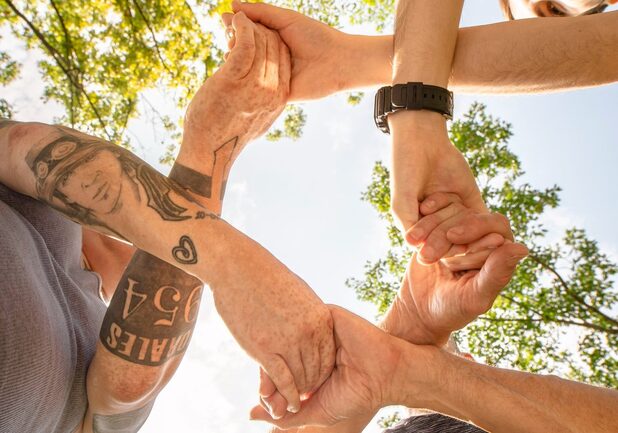
The first, hardest step in getting help for substance use disorder (SUD) is admitting to yourself and others that you have a problem. There is still a great deal of stigma surrounding addiction, though Aspire Indiana Health and other providers teach that asking for help is an act of courage.
The next step, though, can also be difficult: where do I go to get the help I need?
The reality is the answer isn’t the same for everyone. Just as no two people with the same disease or mental health diagnosis receive the exact same treatment plan, the path to recovery is different for everyone.
For some, the disease of addiction may have not progressed far enough to fundamentally disrupt their daily lives. They may still be able to function in their job and personal relationships, so outpatient treatment through an Aspire health center may be the best option.
Many individuals with SUD, though, need more intense treatment and a removal from the regular environment and associations that may contribute to them abusing substances. Aspire offers different options that together form what we call the Whole Health Recovery Continuum: residential treatment, a residential recovery house and independent living.
No matter what point they are in their recovery journey, the continuum offers direct access to comprehensive healthcare services, including primary medical care, behavioral health therapy, peer support groups, Medication Assisted Treatment and more.
Mockingbird Hill Recovery Center is an SUD treatment center for men that opened in Anderson, Ind., about 18 months ago. Progress House has been around for more than 60 years and is Indiana’s oldest and largest recovery residence. Next Step consists of apartments and rental homes available for Progress House graduates who want to remain connected to services.
This innovative approach to addressing addiction, which has been called “a model for Indiana and the nation” by the office of the White House drug czar, came about as a joint effort of Progress House and Aspire Indiana Health, which led to the two nonprofits consolidating in 2019.
Already, there are clients who started their recovery at Mockingbird Hill, moved on to Progress House and then to Next Step. Others may have started or completed their treatment at the most appropriate level for their disease.
What Aspire has found is that applicants to Progress House often would be better served at Mockingbird Hill. While both are residential recovery facilities, their operations and services are quite different. Understanding that difference is important to people receiving the best treatment possible.
At Mockingbird Hill, residents receive high-intensity programming seven days a week. They often arrive after only recently ceasing active substance use, and can still be physically ill for up to 10 days after admission. Their neural pathways are clogged and jumbled, which can take a minimum of 30 days to resolve; they’re feeling foggy and not always clear in their thinking.
At a residential treatment center like Mockingbird Hill, staff are available 24 hours a day, from onsite clinical providers (medical and behavioral health) to support staff who help patients get the attention and guidance they deserve with basics like getting out of bed and following their daily schedule, attending events and group sessions, and helping them process or regulate their emotions.
Residents at Mockingbird Hill often have medical issues in addition to their SUD, which may or may not have been previously diagnosed. This can include mental illness, infectious disease like Hepatitis C, diabetes and other common challenges.
Stays at a residential treatment center like Mockingbird Hill typically run 27 to 45 days, with the goal of getting the patient stabilized in their cessation of substance use and teaching them the practical and emotional tools they will need for long-term recovery. It is only at this point that someone is ready to move on to a residential recovery residence like Progress House.
Although Progress House, located near Downtown Indianapolis, boasts the same 24/7 staff and comprehensive healthcare services, residents are allowed a great deal more independence. They are expected to hold a job or be in training to get one.
At this stage in their recovery journey, residents are finished with feeling ill from drug use and withdrawal. Their thinking is clearer and their neural pathways are beginning to heal. Their emotions are better regulated and any concurrent medical issues are being addressed. They are also expanding their self-awareness and seeing themselves as part of a larger community.
In short, while Progress House residents still have access to medical care, therapy, peer support and case management, they are transitioning to more community support and less reliant on staff support as they continue moving toward self-sufficiency.
Stays at a residential recovery home can last anywhere from a few months to a couple of years. At some point residents may choose to move on to Next Step or other transitional housing options while still remaining a part of Progress House, attending meetings and receiving healthcare services.
As you can see, the difference between residential treatment vs. a recovery residence is quite profound – analogous to the distinction between a nursing home (24/7 care) vs. an assisted living facility (semi-independent living).
While the Aspire/Progress House recovery continuum currently only serves men, plans are progressing to establish similar facilities for women. There is also discussion about how to best accommodate gender-nonconforming individuals.
Wherever they begin their recovery journey, what’s most vital after someone recognizes that they need help is determining where they need to go to receive it. The Whole Health Recovery Continuum is designed to provide comprehensive, clinically based services at whatever entrypoint they begin their trek toward stable, long-term sobriety.