

Same Day Access: What a Difference a Year Makes
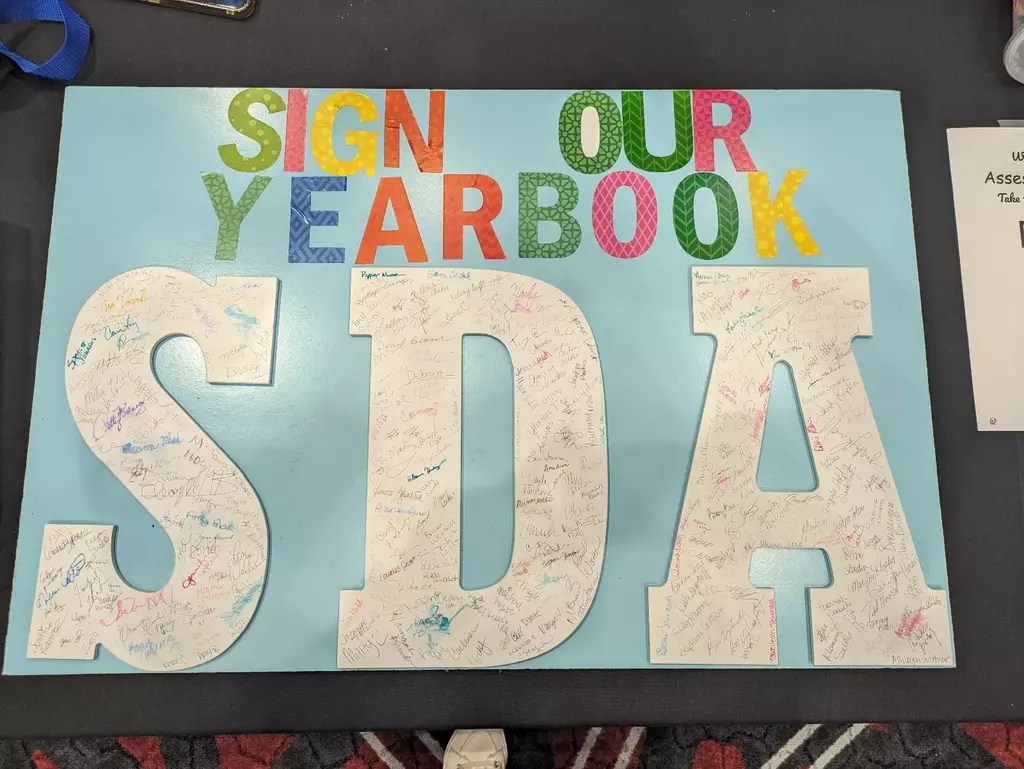
Same Day Access (SDA) is the process by which Aspire Indiana Health assesses new behavioral health patients, allowing for immediate engagement in services. Aspire began offering SDA in January 2024, and it was officially implemented in all offices by early February. SDA allows patients to walk in and be seen the same day — eliminating the need for scheduled appointments, increasing clinician productivity and decreasing the amount of vacant spots due to no shows.
“Same Day Access has been transformative for our patients, our community and to Aspire,” says Vice President of Service Access Vanessa Pataky. “We are so proud to have been part of this moment in Aspire’s history.”
A Brief History of Intake
Prior to SDA, the average time between a client calling in to be scheduled for an intake assessment and the actual appointment was 50 days. Some patients were calling in multiple times just to get scheduled for an intake appointment, and others would have to wait days or weeks to be seen.
“I think we could all agree what we were doing wasn’t working,” Pataky says.
From 2015 to March 2020, Aspire’s intake process was based on an open access system. The majority of appointments were in person, and people had very limited hours to walk in for an appointment.
“Patients would line up outside the door, and if you got there in time, you would get ‘soft scheduled’ for later that day or the next day,” says Senior Clinical Director of Integrated Health Services Alyssa Yano Wier. “People would take the day off work to come in, and they may not even be able to be seen. Then they’d have to try the next day. That was the standard.”
And no client received any services without participating in the lengthy intake process. Then COVID changed everything — for better or worse. Aspire switched to a 100% virtual model that became a chaotic free-for-all.
“COVID opened up the door to a world we couldn’t have imagined in terms of a telehealth model, but it was essentially a perfect storm of events,” Pataky says. “Getting an appointment depended on how quickly a clinician responded in the group chat or how many times you called hoping for availability. Many patients weren’t seen at all.”
In June 2020, Aspire went to a scheduled model for intakes, where patients would call in and get in a queue, and then someone would eventually call them back to schedule an appointment … maybe.
“Some people called in multiple times, and they just never got to the top of the list,” Yano Wier says. “They never got called back.”
“It wasn’t an efficient use of our time,” Pataky says. “There were people waiting three months to access services, and we had over a thousand requests for treatment that had never even been contacted to schedule an intake appointment.”
There was no way to prioritize between those patients that needed a routine appointment and those who were more urgent or emergent cases.
“We knew we needed to do something different.”
A Different Way to Offer Care
Requirements to become a Certified Community Behavioral Health Clinic (CCBHC) brought Aspire both the avenue and the additional push to do things a different way. Pataky and her team looked at national best practices and standards to figure out how to improve the intake process.
Then, when Pataky saw a presentation at a National Council for Mental Wellbeing meeting by MTM Consulting Services — a firm specializing in transformational change for healthcare providers — about their same day access, Pataky knew that was the path she wanted to take.
“We saw how effective the same day access model could be, and that is why we took it and made it work for Aspire,” Pataky says. “Certainly, there were a lot of changes we made along the journey.”
Those changes included streamlining the paperwork to get patients seen faster; reviewing what and how questions were asked during the intake appointment; and updating the schedules of the intake therapists.
“It’s heartbreaking to think someone had to wait weeks for an appointment and then maybe be told they didn’t even need an intake — and how angry it made them at that point,” Pataky says. “Instead of using duct tape to fix and hold up this system that wasn’t working, we reimagined everything.”
With guidance from MTM, Pataky and her team, led by Yano Wier, took the steps to making the dream of same day access a reality. They shadowed other organizations that had switched to the same day access model to get more familiar with it, including the registration process, how they were queuing up clinicians, and the client experience.
“Everyone from both the Federally Qualified Health Center (FQHC) side and the Community Mental Health Center (CMHC) side agreed this is the model we should be using,” Yano Wier says. “It was another step in thinking of the big picture and how Aspire as a whole could become more integrated across the organization.”
And the directive for patients was simple — just walk in.
Same Day Access in Action
How does SDA work? Once a client walks in the door, they fill out registration paperwork and meet with one of Aspire’s assessment technicians. The assessment technician is the first point of contact to help figure out the client’s needs. The role is an essential part of the process — and it’s one that didn’t exist prior to the same day model.
“We created this position so there was someone who could meet with the client first and very quickly assess where that person fits in our Aspire services,” Yano Wier says.
After meeting with the assessment technician, patients are directed on whatever path makes the most sense for them — whether that is comprehensive behavioral health services, for which a more complete intake assessment is required, or a referral to primary care or other community resources.
“The assessment technician assures Aspire can meet the client’s needs,” says Clinical Manager of Intake Services Ashleigh Wirtner. “They are a support to the intake therapist, helping review the screeners the client completed and getting them connected to the proper services.”
Timing has also improved — big time. Before SDA, a client would be scheduled for 90 minutes just for the intake itself. Now, the average time spent for a whole appointment is 90 minutes from walk in to walk out — and that’s getting paperwork completed; talking with the assessment technician; meeting with the intake clinician, if needed; and getting connected to all the services and resources needed.
“Same Day access has really required a lot of collaboration and teamwork from all departments,” Wirtner says. “And it really has been so amazing to watch all the departments work together.”
Aspire resources and clinicians are being used throughout the organization, regardless of what on-site location the client visits or what department the clinician is in. If a client walks into one Aspire location and clinicians are busy, but a clinician at another location is free, that is who will see the client.
“You might be virtual with your provider, but you’re getting seen much quicker,” Yano Wier says. “That is why the same day access model is so much more efficient and effective.”
With all hands on deck, Same Day Access is all about meeting the client’s needs and helping them access services, which, in turn, has made a positive impact internally with Aspire staff.
“Same Day Access has helped everyone see the big picture and feel like we are all working toward the same goal — which is the client experience and getting them into care,” Yano Wier says.
“It’s really fostered a sense of connection for so many people within Aspire to see how this process has really impacted the patients we serve,” Wirtner says. “It’s been rewarding to take a step back and see what has been developed and get so many different departments to work together to have this dream become a reality.”
Reflecting on the success of Same Day Access, Pataky recalls needing a visual when the team first started talking about the process.
“Looking at the board, it was representative of an orchestra,” she says. “In order to make it a seamless process and feel for the patient, it would take us all playing together in tune. If one person isn’t in tune or falls behind or skips ahead, we need to support each other and get us all back in sync. And the best part of an orchestra — when it all works together — it is magic! I don't think I could have imagined the magic we would make with Same Day Access.”


