

Jill Skehan takes over community work incentives team
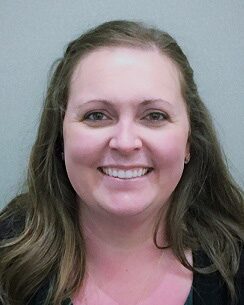
After almost 14 years with Aspire, Jill Skehan has taken on a new role as Manager of Community Work Incentives. In this important leadership position, she will oversee the teams handling Work Incentives Planning and Assistance, also known as WIPA and Indiana Works, as well as Ticket to Work. These programs exist to help Hoosiers receiving Social Security Disability Insurance (SSDI) or similar benefits who want to return to work or scale up their hours.
It’s an exciting but challenging position, attempting to fill in the shoes of Tina Skeel, who ran these programs for many years. Skehan began work with Aspire in 2009 as a Community Work Incentives Coordinators (CWIC), which requires a lengthy training and certification process followed by an annual requirement to fulfill Continuing Certification Credits in order to maintain certification. She graduated from Indiana University with a bachelor's degree in psychology with a minor in biology.
CWICs provide benefits counseling for individuals receiving Social Security disability-based benefits and want to know how work earnings may impact those benefits (along with other federal and state benefits such as Medicare, Medicaid, SNAP, Housing, Veteran's Benefits, etc.). Skehan is also responsible for meeting requirements for grants administrators at Social Security and their team’s training center, and maintaining relationships with various professional employment organizations.
Ticket to Work and WIPA play a vital role in supporting beneficiaries in their return to work, Skehan says.
“Everyone's reason for returning to work is different! It's so important they receive great support and accurate information as they return to work. Unfortunately, there are many misconceptions and misinformation that has caused quite a bit of fear for beneficiaries returning to work. We take great pride in being sure that we're providing accurate information to hopefully dispel some of those fears.”
Stigma remains about people who pause working due to a disability. This can often be internalized by the beneficiaries themselves, who fear returning to work or that a potential reduction in disability benefits will not be offset by their job income.
“The biggest misconceptions I've heard are that SSDI and SSI beneficiaries shouldn't work, don't want to work, and want to work in entry-level jobs. It's quite the opposite!” she says. “I have seen numerous individuals obtain great jobs with phenomenal pay and benefits. I've also spoken with countless beneficiaries with the same goal: wanting to work and feel like a contributing individual, while helping redefine who they are after a disability diagnosis.”
Skehan is still carrying a CWIC caseload herself as the work incentives team staffs up. Her goals are to better integrate WIPA services within Aspire, streamline day-to-day processes and develop in their team’s assignment within the Social Drivers of Health group, led by Vice President Mike Keevin. She also plans to work with state government partners to help them better understand what Aspire’s services entail.
“I am excited to work with Jill as she steps into the leadership role. She will bring a lot of knowledge and a fresh set of eyes to our SDoH Leadership team,” Keevin says.
Skeel, who is well known and respected in the employment & disability community, helped Skehan prepare for the handing of the baton.
“I've known Tina for 18 years – she first trained me when I was an Employment Specialist – so taking over for her was definitely intimidating at first, but she helped guide me along as she exited this role,” Skehan says.
“I'm hoping to make her proud by continuing in her efforts to reach our beneficiaries with a common goal in mind: keeping our beneficiaries first.”


