

Employee Spotlight: Jacinta Dallas
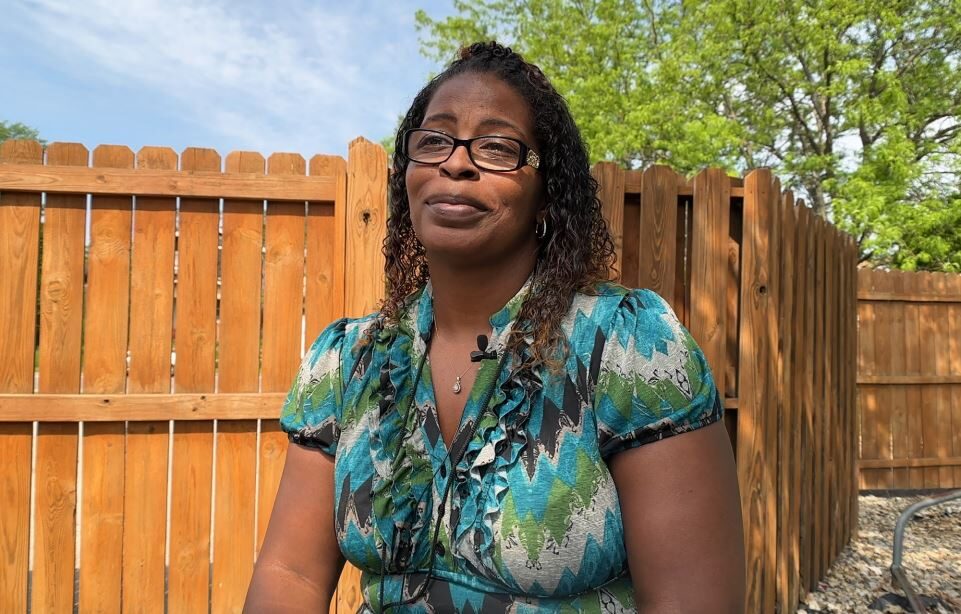
One of the less-publicized parts of Aspire Indiana Health’s mission is operating a number of group homes for Hoosiers with serious mental illness (SMI). To protect their privacy, the nonprofit healthcare provider does not disclose their location or identify residents.
The people who work at the group homes experience the highest levels of personal rewards in helping some of the most vulnerable clients, but also tension and burnout. As a result, employee turnover tends to be high.
Jacinta Dallas is a standout exception. Though she herself took a 2-year hiatus from the group homes, she has been employed there for a total of 17 years. She currently works as a Life Skills Instructor at Hudson House in Anderson, Ind.
“There is no more joy than to see our clients reach their goals and see the gratification on their faces when they do so,” Dallas says. “Through my years here I can say I have seen some success stories for our clients who have thrived after being in a group home.
“And when or if they lapse, we are here to help them find their way again. That is what keeps me coming back. I love to help them. And in helping them, I learn something new every day.”
Dallas holds a bachelor’s degree in business administration/management from Ball State University. Prior to coming to Aspire, she worked for The Herald-Bulletin, Anderson’s hometown newspaper, for two decades in a variety of roles including staff accountant, dispatcher and circulation supervisor.
A day in the life of an LSI can include both the mundane and the inspirational. Sometimes residents have to be encouraged to get out of bed, take their medication and meals, or interact with the staff or other residents. They play games, work together to cook meals and clean the house, read, watch television and live almost as a family unit.
Dallas some of her favorite days are excursions into the community with the residents.
“We enjoy taking them to shops, parks, eating fast food and even reservation restaurants from time to time. During these outings we find opportunities to coach our clients on life skills they will need to be able to live out on their own if that is one of their goals,” she says.
For some residents, the group homes are a transitional place where they learn skills to live independently or as part of a family unit or collaborative. Others might live there for years as they receive comprehensive healthcare services including primary care, behavioral health therapy and support services. These are complex individuals capable of happy, fulfilling lives who might otherwise have been consigned to long-term institutionalization in the past.
Outside of work, Dallas stays busy with her husband of 20 years, Melvin. They have five children and six grandchildren, and are a big sports family both as watchers and athletes, especially football and track and field. “I was a runner in high school and college, and track taught me how to push myself and persevere.”
She is also busy with her church, serving as board member and secretary, member of the usher board, volunteering with the food pantry and singing on the praise team.


